Research Orientation · Sociotechnical Systems
Triadigm
Frameworks for understanding and designing sociotechnical worlds.
Five distinct frameworks examine how sociotechnical species evolve, how responsible actors form order, how complete units compose, how purpose becomes architecture, and how working logic can be transferred across domains. They are connected—but not collapsed into a single system.
One orientation. Five analytical cuts.
The five frameworks
Begin with the question.
Each framework fixes a different object of inquiry. Select the question you need to answer; move directly to the dedicated framework page.
How do sociotechnical species evolve?
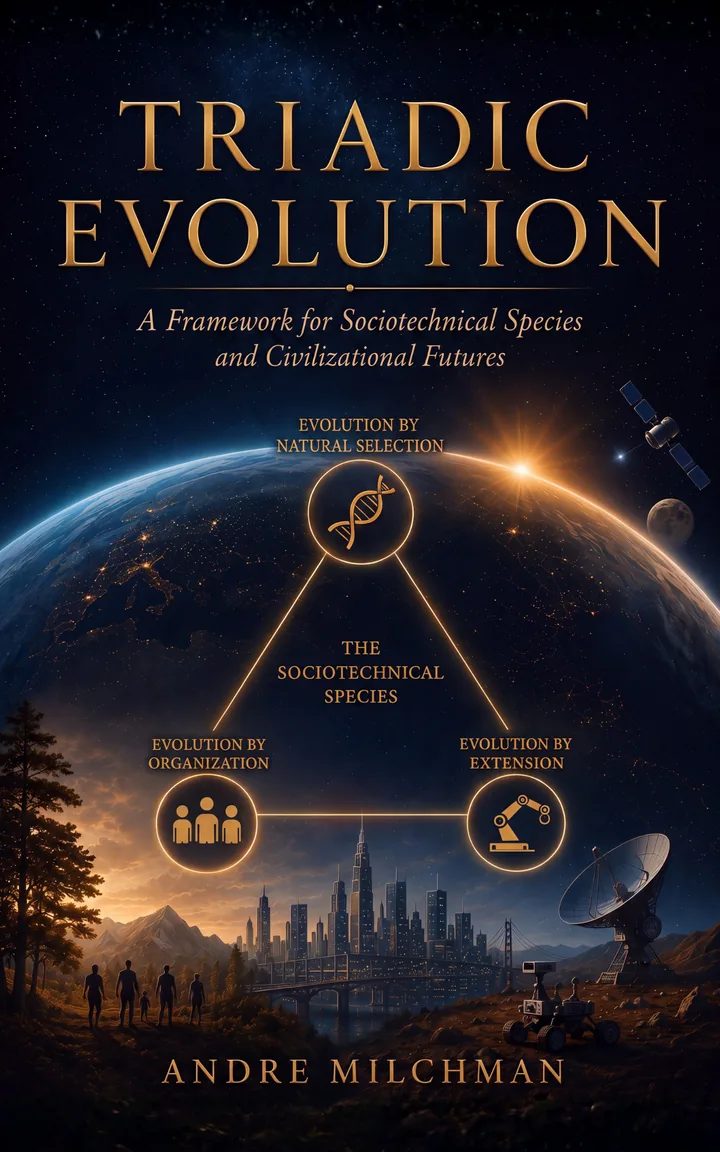
Triadic Evolution
A framework connecting biological organisms, social organization, and capability-bearing extensions without collapsing their different mechanisms.
How is sociotechnical order generated?
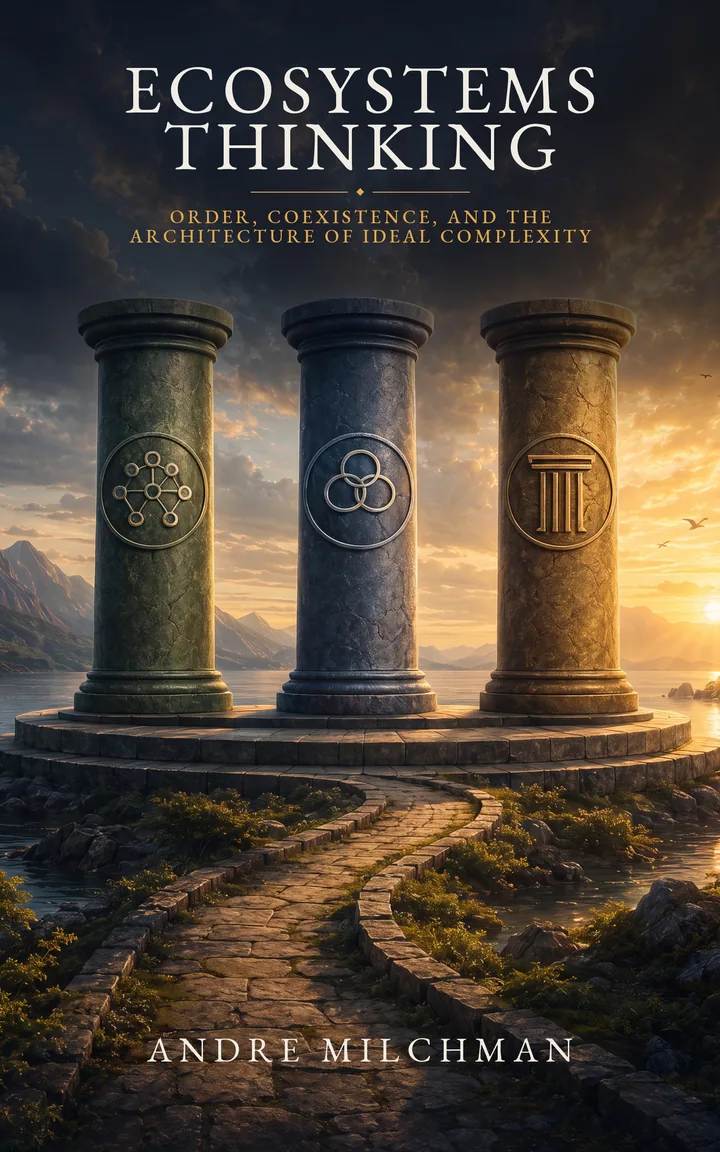
Ecosystems Thinking
A responsibility-based architecture of coexistence, integration, and regulation among complete actors.
How are large sociotechnical formations architected?
Unit Oriented Architecture
An architecture of complete units that preserves boundaries, responsibility, comprehensibility, and changeability at scale.
How does purpose become coherent structure?
Purpose Driven Design
A design framework for the internal architecture of sociotechnical units, from purpose and value through memory and storage.
Where is the needed logic already working?
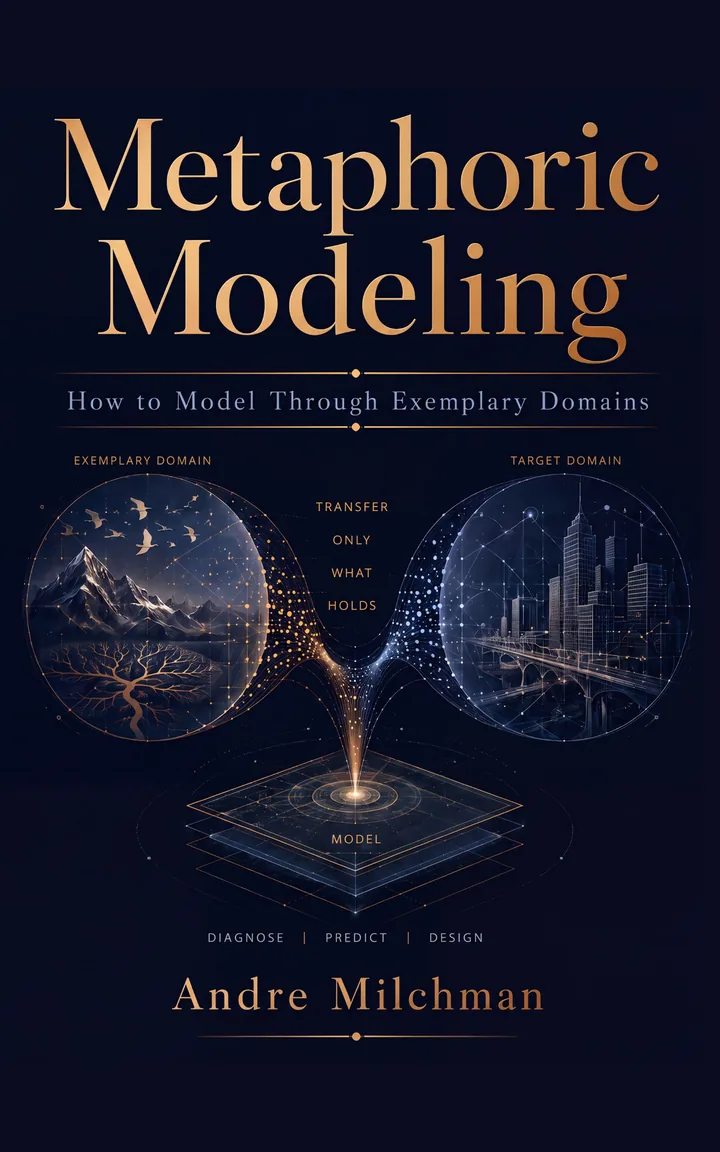
Metaphoric Modeling
A six-movement discipline for learning from exemplary domains while transferring only what survives explicit tests.
The orientation
Triadigm is not a sixth framework placed above the others. It is the research orientation that keeps their questions connected while preserving their differences.
Books
The frameworks in full.
The books develop the central frameworks, their applications, and the intellectual lineage from early enterprise architecture and prescriptive analytics to current work on sociotechnical evolution, order, and knowledge.
Explore all books